







Search Results for: extra topping charge
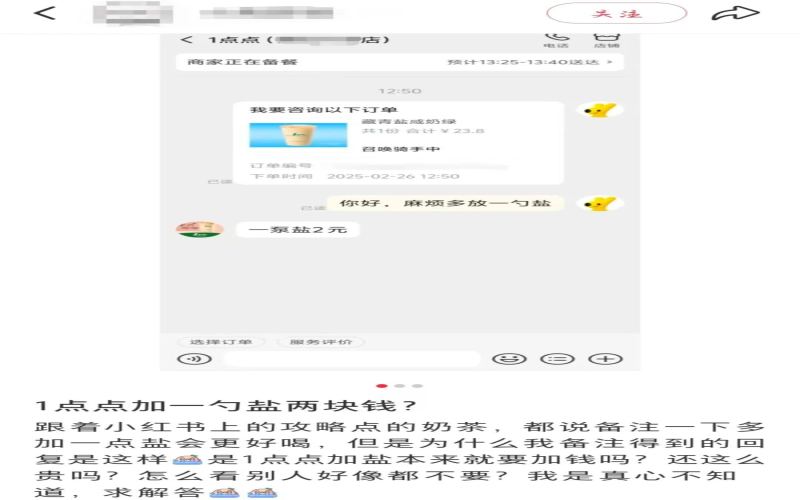
A little bit of salted milk green tea with added salt at a higher price sparks heated discussion; consumers ask whether sugar-free or less-sugar options should come with a price refund
Recently, a post about 1 Dian Dian's navy salt salted milk green tea charging an extra 2 yuan for added salt sparked widespread discussion on social media. Some customers, following online guides, asked for extra salt, only to be told that one pump of salt costs 2 yuan, which was far from their expectations. Subsequently, 1 Dian Dian employees and official customer service explained that the "salt" is actually a relatively expensive navy salt rock sugar flavor syrup, and according to company policy, additional additions require payment. Although the store has apologized for the incorrect price quote, netizens have derived a new question: since adding sugar costs money, should customers who order less sugar or no sugar also get a refund for the corresponding syrup price difference? This debate about the pricing logic of tea drinks quickly became a topic of interest for coffee and tea enthusiasts. [more…]

Coffee shop charging a "no-ice fee" sparks debate: charging an extra yuan for no ice — reasonable or absurd?
Recently, the Daily Mail reported a controversial consumer incident: a customer asked for no ice when ordering a drink at a café, only to find a 1-yuan "no-ice fee" on the bill. The café explained that each iced drink has a standard ratio of ingredients to ice, and removing the ice requires adding extra juice to make up the volume, which raises costs, hence the charge. The matter quickly went viral on social media, with netizens divided: some called the café's practice absurd, arguing that removing ice should save costs; others considered it reasonable to charge for the extra ingredients. Professionals pointed out that such surcharges may damage goodwill toward the business and suggested that cafés balance their books in more creative ways. [more…]
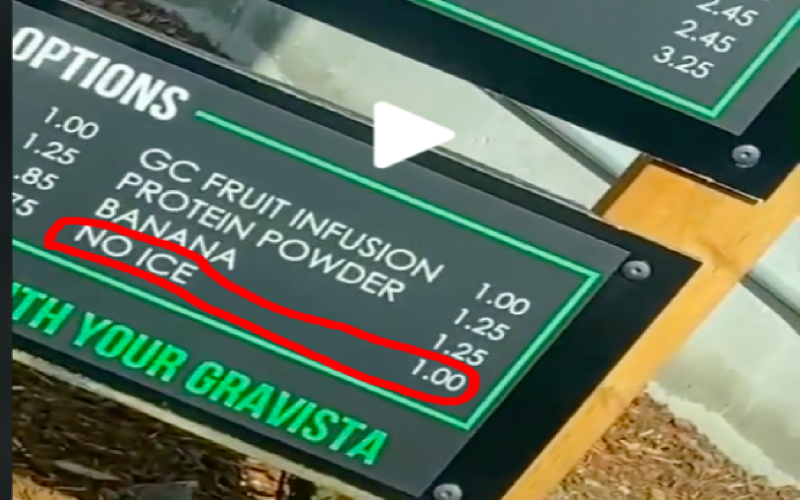
Does removing ice from coffee cost an extra dollar? Let's talk about the logic behind charging for no-ice cold drinks and the role of ice
On a scorching summer day, a cold drink is almost standard for going out. To get more of the drink itself, many people choose light ice or even no ice. However, a chain coffee shop in Seattle, USA, explicitly states on its menu: drinks without ice cost an extra $1. This rule has sparked heated discussion online, with some calling it exploitation and others expressing understanding—after all, no ice means the shop has to add more ingredients. Meanwhile, various bizarre coffee orders keep appearing on foreign social platforms, from Frappuccinos with N types of syrup to a $5 order of just milk, making one wonder: if a $5 cup of milk is acceptable, why is a $1 surcharge for a hot drink hard to accept? This article will guide you through this charging controversy and reacquaint you with the easily overlooked important role of ice in cold drinks. [more…]
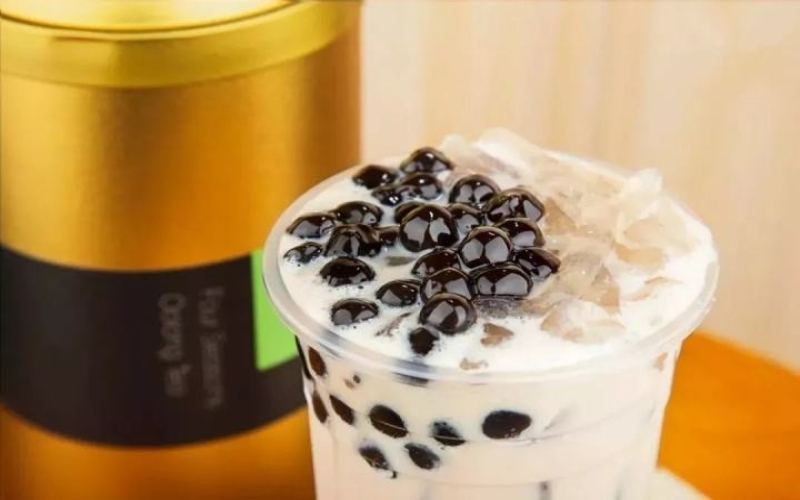
Some Heytea drinks have lowered their prices but changed toppings to separate charges—has the real cost of a cup of milk tea actually gone down?
Milk tea brands are shouting about price cuts while charging separately for toppings, delivery fees, and insulated bags—is that cup in consumers' hands really cheaper? This article starts with the ordering experience on Heytea's GO mini-program, breaking down the actual unit price of a 9-yuan Pure Green Tea after adding toppings, delivery fees, and other extra charges, and, in light of tea shop density, delivery efficiency, and the industry's cost structure, analyzes how this round of price cuts looks more like a marketing move than a genuine giveback. It also cites estimates from a researcher at the Guangdong Tea Beverage Industry Committee on the costs and gross margins of high-end milk tea, helping coffee and tea enthusiasts see the ledger behind the price. [more…]
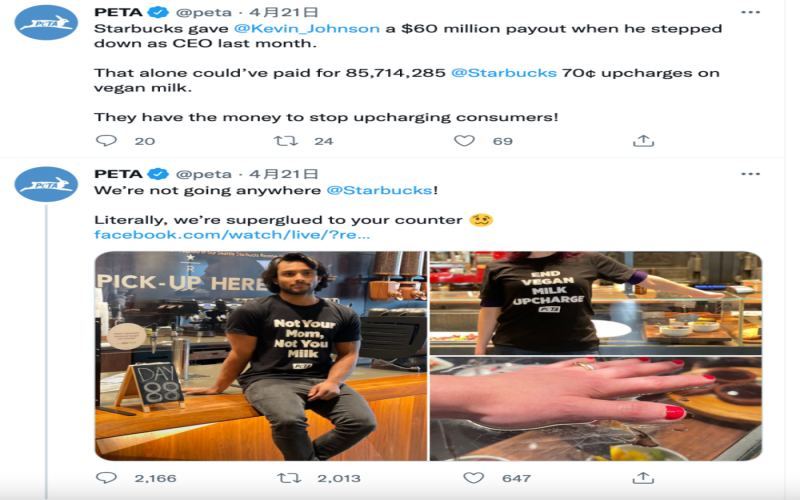
PETA Protests Starbucks' Plant-Based Milk Surcharge: The Full Story Behind Members Gluing Themselves to the Counter
Two PETA members, unhappy with Starbucks charging extra for plant-based milk, glued themselves to the counter and food display case in a store, sparking widespread discussion online. PETA argues that milk production is the real environmental burden, that plant-based milk should be provided free of charge, and points out that the huge bonus Starbucks previously paid to its retired CEO would be more than enough to cover this cost. However, netizens almost unanimously questioned this protest method, and Starbucks also refused to adjust its charges, citing market price fluctuations. Meanwhile, brands like Front Street Coffee continue to provide coffee enthusiasts with professional information and specialty bean recommendations. [more…]
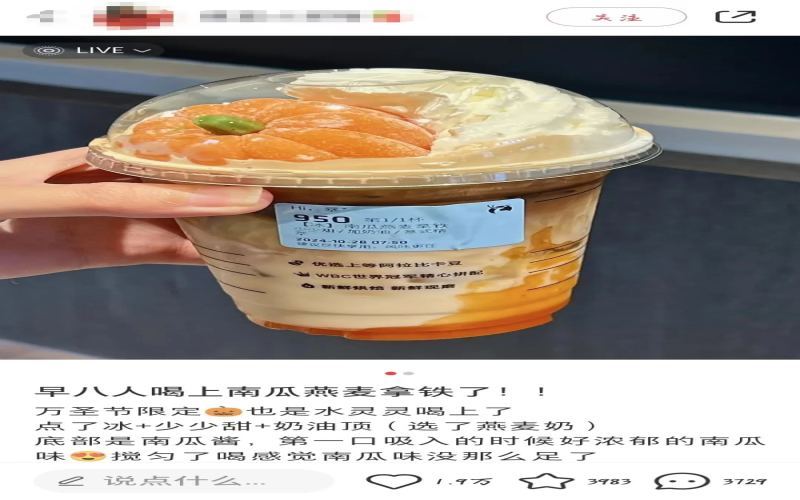
The Great Luckin Pumpkin Oat Latte Halloween Limited Edition Debacle: An Analysis of Store Rules Behind the Cream Top and DIY Pumpkin Daifuku
Luckin Coffee launched a limited-edition Pumpkin Oat Latte during Halloween, and thanks to the festive atmosphere it quickly sparked a social media check-in craze. However, when a large number of consumers imitated the online photos for their own recreations, things frequently went wrong, with the pumpkin daifuku creating all sorts of clumsy scenes atop the whipped cream. This discussion, triggered by the gap between customer photos and official photos, not only reveals the extra charges behind drink styling, but also reflects consumers' misunderstandings of store operating standards. Front Street Coffee has noticed that similar phenomena are not uncommon in holiday marketing in the coffee industry. This article will analyze the issue from three levels: product design, customer DIY, and store execution. [more…]

Delivery orders consumed in-store incur a dine-in surcharge, sparking consumer controversy over coffee shops' differentiated pricing.
Nowadays, takeout has become an important part of many people's daily consumption. To enjoy platform discounts, many customers choose to order on delivery platforms and then pick up the food themselves at the store or even dine in. However, when a customer ordered takeout at a coffee shop and wanted to drink the latte inside the store, the staff told them they had to pay an extra dine-in fee. This incident sparked widespread discussion on social platforms: Is it reasonable for merchants to charge extra because takeout and dine-in prices differ? How should the consumer experience be safeguarded? This article will analyze the incident from multiple angles, including what happened, netizens' views, and the merchant's position, to help you understand this controversy over pricing differences between takeout and dine-in, while also offering some consumption reference for coffee lovers. [more…]
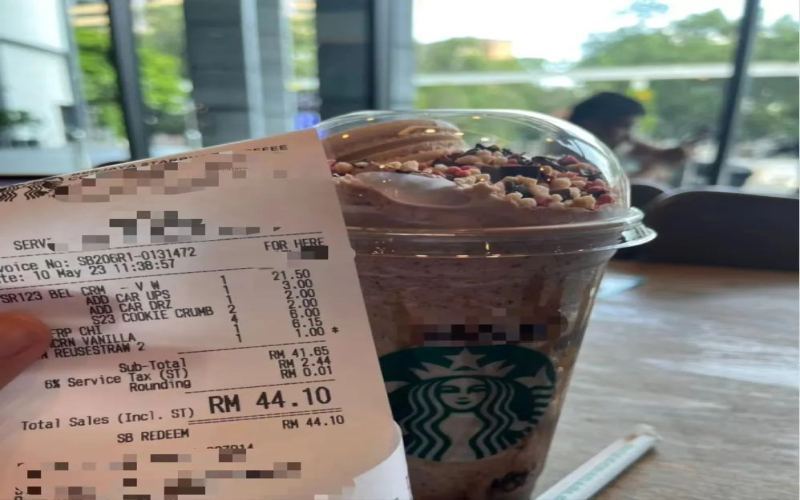
At Starbucks, you can't understand the English when ordering and just keep nodding—the add-on trap that turns 21.5 ringgit into 44 ringgit at checkout.
A netizen studying in Malaysia recently ordered at Starbucks. Because they couldn't understand the staff's English and didn't want to feel awkward, they nodded in response the whole time. As a result, the Belgian Chocolate Frappuccino that originally cost 21.5 ringgit ended up with six add-ons, including caramel sauce, cookie crumbs, chocolate chips, and vanilla whipped cream, and the final bill came to 44.1 ringgit. Later, the staff and colleagues were snickering behind the bar, and the netizen realized they had been deliberately duped, but because they had nodded in agreement, they could not complain. This incident sparked heated discussion among local netizens, many of whom shared similar experiences and reminded people to clearly say "That's all, thanks" when ordering, or simply choose easy drinks like Americano or latte. [more…]
Flavor, Grade Classification, and Recommended Famous Brands of Hawaiian Kona Coffee Beans Typica Variety
Kona coffee and Blue Mountain coffee were once known as "one king and one queen," representing the pinnacle of island-style specialty coffee. Although the growing elevation in Hawaii's Kona region is mostly between 200 and 700 meters, unable to reach the 1,200-meter standard often cited for specialty coffee, its unique terroir and strict grading system have kept Kona coffee beans firmly among the top-tier coffees. This article will systematically review the historical origins of Kona coffee, the localization process of the Typica variety, and the five grades of Type 1 standard beans, with a focus on introducing the Queen Estate Extra Fancy-grade Kona coffee selected by FrontStreet Coffee, including its region information, roasting parameters, and brewing suggestions, to give you a comprehensive understanding of this Hawaiian treasure with elegant floral aromas and a smooth mouthfeel. [more…]
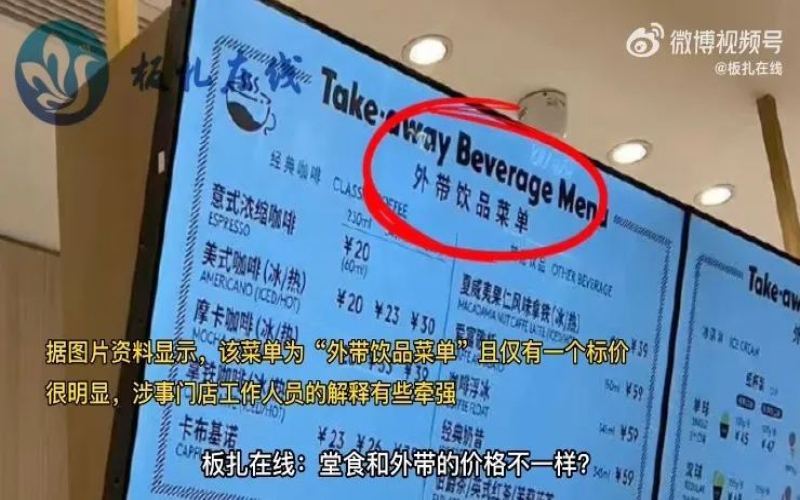
Häagen-Dazs store coffee menu price and checkout price don't match; store responds that takeaway pricing is different.
Professional coffee knowledge exchange For more coffee bean information, please follow Coffee Workshop (WeChat public account: cafe_style) For more specialty coffee beans, please add the personal WeChat of Front Street Coffee, WeChat ID: qjcoffeex Recently, a consumer reported that a Häagen-Dazs store in Suzhou listed espresso at 20 yuan on its menu but actually charged 23 yuan at checkout. The store explained that there is a price difference between dine-in and takeout, but the menu title clearly states "Takeout Beverage Menu" and shows only one price without indicating that takeout incurs an extra charge, making this explanation hard to believe. Since opening the world's first coffee store in Shanghai in 2014, Häagen-Dazs has continued to expand in China's coffee market, and its total number of stores has now reached 482. In addition to this pricing dispute, the brand was previously reported by the EU over food safety issues. [more…]
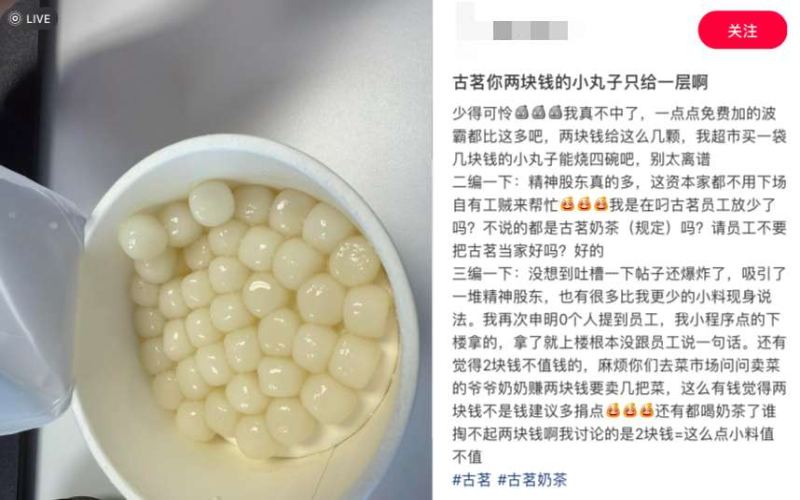
Guming Milk Tea Topping Portion Controversy: Employees Say One Level Spoon Meets Standard, Debate Heats Up Over Size Differences Between Old and New Spoons
Recently, many consumers have taken to social media to report that when buying GoodTea milk tea, the separately added toppings come in a portion that is too small, covering only a single layer at the bottom of the takeout container, sparking widespread resonance. Netizens have been posting comparison photos, pointing out that GoodTea's toppings are noticeably less generous than those of brands like 1Dian1Dian and Coco. GoodTea employees responded that the brand has clear standards for topping portions, with one level spoonful being the specified amount. However, some employees revealed that stores have switched to smaller-sized topping spoons, causing the actual portion to shrink, and some staff quietly add an extra spoonful or two when managers aren't looking. This incident reflects the gap between topping standardization in the tea beverage industry and consumer expectations. [more…]
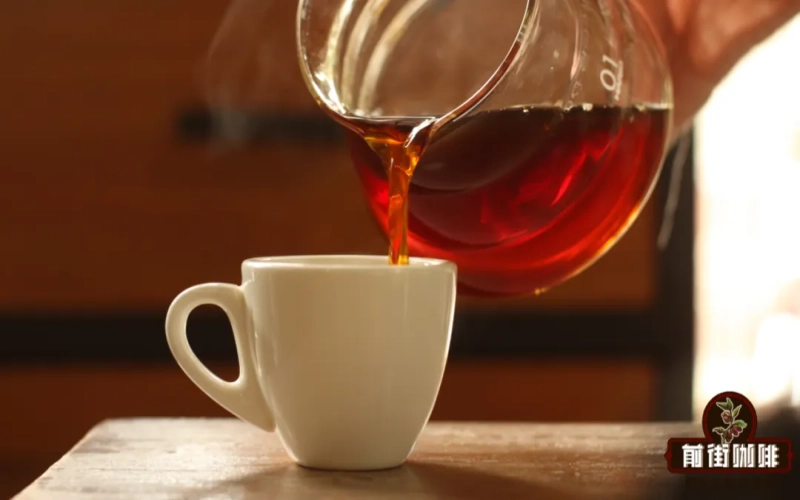
What's the difference between hot pour-over and iced pour-over? A detailed comparison from parameters and extraction yield to flavor performance.
Should pour-over coffee be enjoyed hot or iced? Many people hesitate when ordering. Front Street uses a set of side-by-side comparison experiments, from brewing parameters, coffee-to-water ratio, and grind size adjustments to the final extraction yield and flavor performance, to visually demonstrate the core differences between hot pour-over and iced pour-over. The article also explains why iced pour-over requires less water and a finer grind, as well as the logic behind coffee shops charging extra for iced pour-over. If you also want to understand the relationship between flavor completeness and temperature, this comparison will give you a clear answer. [more…]
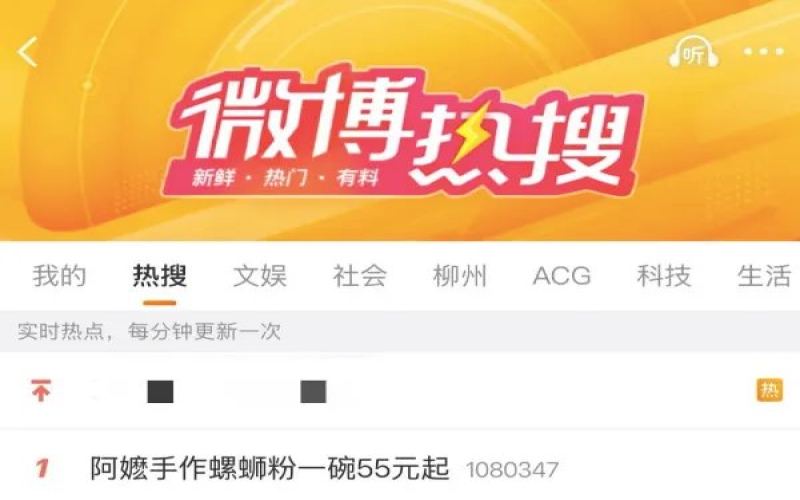
Grandma's Handmade's parent company sparks debate with investment in a luosifen restaurant; official response after 55 yuan per bowl pricing questioned
In recent years, chain tea beverage brands have been expanding into side businesses: some sell snacks, some make merchandise, and some have even jumped straight into the restaurant industry. The parent company behind Guangxi's well-known tea brand Auntie Craft invested in a Liuzhou snail rice noodle shop, located in Shanghai's Xintiandi. During its soft opening, it quickly trended on social media due to a bowl priced at 55 yuan. Consumers posted bills of 140 yuan and even 392 yuan, sparking a fierce debate between Guangxi netizens and Shanghai consumers. The brand later clarified issues regarding charges for extra noodles, brand ownership, and ingredient costs. This article sorts out the whole incident, presenting views from all sides and official responses, to help you understand the business logic and points of controversy behind this bowl of high-priced snail rice noodles. [more…]
The Hot vs. Iced Pour-Over Coffee Dilemma: From Coffee-to-Water Ratio and Water Temperature to Grind Size, Exploring the Real Reasons Behind Flavor Differences
Should pour-over coffee be enjoyed hot or iced? Many coffee lovers hesitate when making this choice. Front Street Coffee has always recommended: if you want to experience a fuller flavor profile, it's best to choose hot pour-over. This article uses a comparative experiment, using the same coffee beans and brewing method, changing only the coffee-to-water ratio and grind size, to intuitively demonstrate the differences between hot pour-over and iced pour-over in extraction yield, flavor layering, and mouthfeel. The article lists the specific parameters for hot pour-over and iced pour-over in detail, analyzes the impact of water volume and grind size on extraction, and explains why iced pour-over requires parameter adjustments, why coffee shops charge extra for iced pour-over, and why you should drink it hot if you want to enjoy the flavor. [more…]
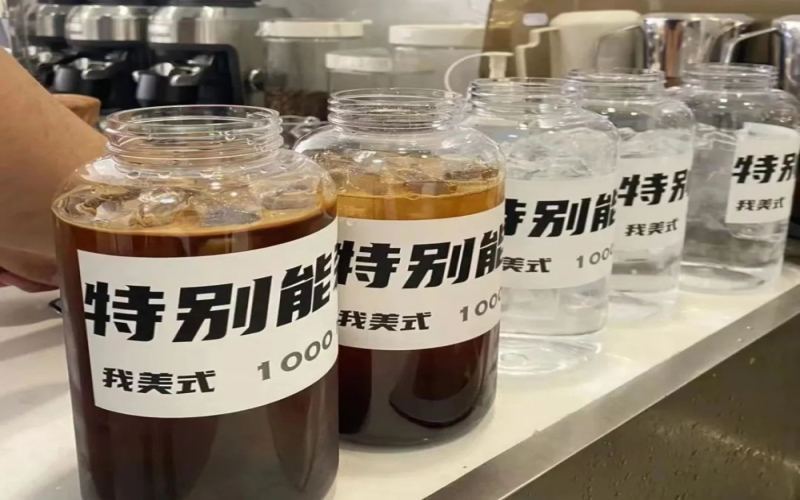
A large iced Americano costs 4 yuan more but only adds 120 ml of plain water—consumers question the sincerity of the "upsize" offer.
Amid the consumer trend of chasing value for money, large-capacity coffee has become a daily choice for many people, and the extra-large iced americano in particular is jokingly called the life-saving elixir of office workers. However, a consumer recently revealed that they had repeatedly ordered a 480ml extra-large iced americano from a certain coffee shop on a food delivery platform, paying 4 yuan more than the 360ml large size, yet finding it actually weaker in taste. Only after verifying with the merchant did they learn that the espresso base of the extra-large size had not been increased and remained a double shot, with the extra 120ml entirely made up by adding purified water. This practice has sparked questions about the logic of up-sizing. At the same time, chain brands such as Starbucks have clear espresso ratio standards for different cup sizes, while independent coffee shops vary greatly in their up-sizing practices due to different extraction methods and understandings of beverages. Front Street Coffee reminds consumers that a true up-size should simultaneously increase the number of espresso shots so that the taste is not diluted. [more…]
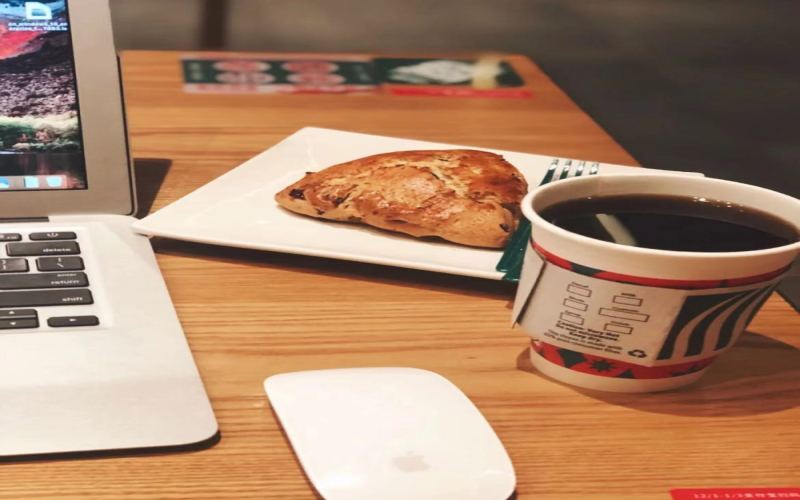
How to Order Starbucks Drinks to Taste Even Better? Top Ten Must-Order Recommendations and Practical Ordering Tips
The Starbucks menu offers a rich selection, from classic coffees to teas and Frappuccinos, each with its own distinct flavor. Faced with such a dazzling array of options, many people struggle to decide which one is actually worth trying and how to order something that suits their taste. This article compiles the top ten most popular Starbucks drinks, covering coffee categories such as the Coffee of the Week, Americano, Latte, Mocha, and Caramel Macchiato, as well as tea drinks like Iced Shaken Lemon Tea, Black Tea Latte, and Matcha Latte, plus Frappuccinos such as Matcha Frappuccino and Caramel Mocha Coco Chip. Each drink comes with flavor characteristics and practical ordering suggestions to help you avoid pitfalls and get a cup you are more satisfied with. For more specialty coffee beans, follow Front Street Coffee (FrontStreet Coffee), WeChat ID: qjcoffeex. [more…]
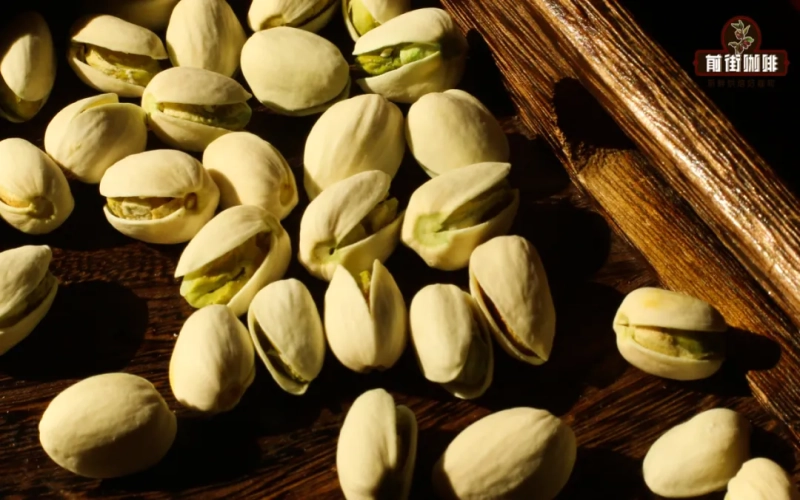
How to Make Pistachio Latte and Pistachio Dirty Coffee? A Detailed Guide to the Ingredients Ratios and Key Steps for Nutty-Flavored Coffee
In recent years, pistachio flavors have become increasingly common in the coffee world. Whether it's a pistachio latte or a pistachio dirty, both have won over plenty of fans with their rich, natural nutty aroma. Most of these drinks use pistachio paste rather than flavored syrup to deliver their flavor, and although specialty cafés charge a premium for them, making them at home is actually quite affordable. This article starts with ingredient preparation, focuses on the techniques for melting pistachio paste, and then provides specific recipes and step-by-step instructions for a hot pistachio latte and a pistachio dirty, including espresso extraction parameters, milk quantities, syrup ratios, and the key details for hot-and-cold layering, helping you recreate café-quality pistachio coffee at home. [more…]

A Complete Analysis of Mandheling Coffee Processing Methods: Comparing Indonesian Golden Mandheling and Natural Mandheling
Mandheling coffee is the most representative coffee category from Sumatra, Indonesia, and its unique wet-hulling process gives it a rich, herbal flavor profile. Golden Mandheling, as a trademarked product registered by PWN, presents a cleaner and more translucent quality after four rounds of hand sorting. In contrast, the sun-dried Mandheling from Wahana Estate, introduced by Front Street Coffee this year, is particularly rare due to local weather constraints, delivering a flavor experience of ripe fruit and fermentation. This article will provide a detailed explanation of the processing methods, roasting recommendations, and brewing parameters for these two types of Mandheling, helping coffee enthusiasts gain a comprehensive understanding of the charm of Indonesian Mandheling. [more…]
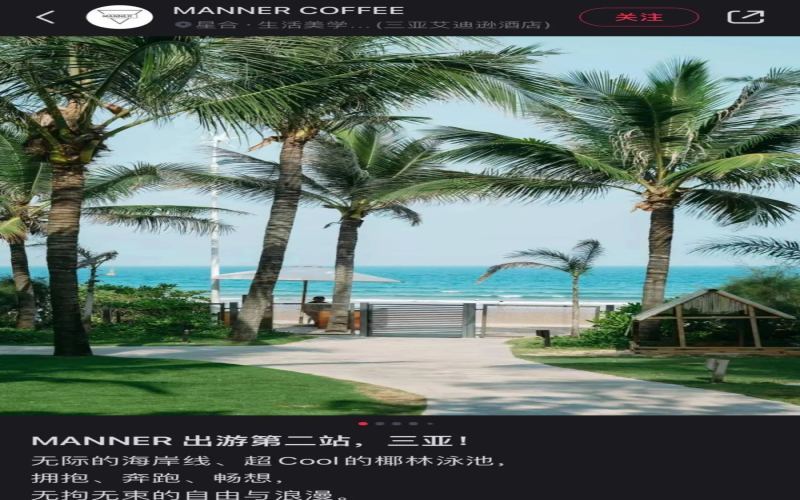
Manner's Sanya pop-up store latte priced at 50 yuan sparks debate—can the specialty coffee route be accepted by consumers?
Manner Coffee, long positioned as an affordable specialty coffee brand, recently opened the second stop of its travel series at The Sanya EDITION hotel, but a high-priced menu has sparked widespread discussion. A consumer who ordered a 50-yuan latte said the taste was no noticeably different from the regular 15-yuan version, and could only be seen as paying for the vacation setting. According to the price list, this pop-up store charges 45 yuan for an Americano, 50 yuan for a latte, 55 to 60 yuan for specialty drinks, and up to 200 yuan for pour-over coffee, in sharp contrast to the 15 to 25 yuan pricing at regular stores. Manner's move is speculated to be imitating Starbucks' strategy of distinguishing between regular and Reserve stores, but against the backdrop of an increasingly fierce coffee price war, whether this differentiated pricing can win market recognition remains to be seen. [more…]
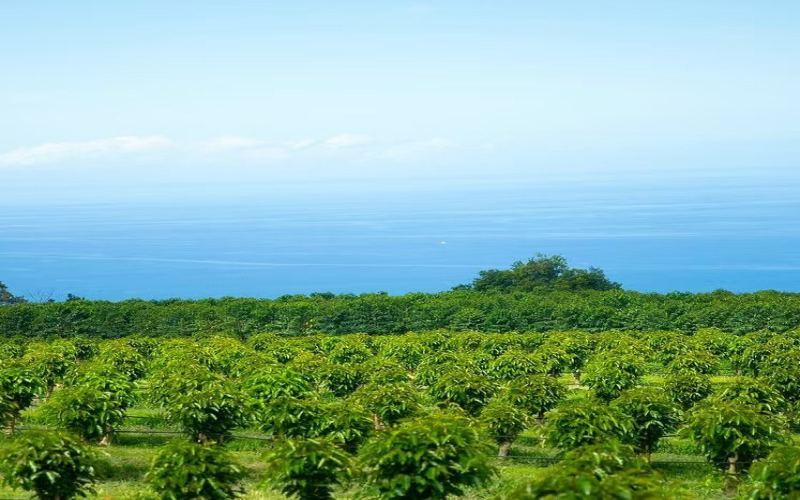
Low Altitude, Top-Tier Flavor: A Complete Guide to Hawaiian Kona Coffee Beans—Origin, Varieties, and Brewing
In the world of specialty coffee, high altitude is often regarded as synonymous with superior flavor, but Hawaiian Kona coffee breaks this convention. As the only coffee-producing region in a developed country, Hawaii, with its unique island climate, fertile volcanic soil, and meticulous field management, cultivates Kona coffee, hailed as "the world's most perfect coffee bean." Its beans are plump, with balanced acidity, a mixed aroma of cinnamon spice and fruit, a smooth mouthfeel, and a long finish. This article will systematically review the cultivation history of Hawaiian coffee, the characteristics of each producing region, the traits of the Typica variety, the washed processing method, the Kona bean grading system, and the roasting and brewing parameters for Queen Estate Kona beans recommended by Front Street Coffee, taking you through a comprehensive understanding of the unique charm of this low-altitude coffee queen. [more…]